

Radiation Safety and Protection Group
Brief Introduction
The Radiation Safety and Protection Group is affiliated with the General Technology Center. It focuses on pioneering scientific research, key technology and system development in the field of radiation safety and protection for large-scale particle accelerator facilities, while also providing technical support for radiation safety management. Based on national radiation safety regulations and standards, the group aims to continuously establish and improve the institution's radiation safety management system, and actively promote innovative breakthroughs and applications in radiation protection technology for large particle accelerators.
The group currently has 14 research staff members, including 2 with senior professional titles and 4 with associate senior titles, forming a well-structured and highly capable research and development team. Over the years, the team has conducted systematic research and technological development on key scientific and technical issues related to particle accelerator radiation protection. Research areas include Monte Carlo simulation technology development, radiation protection system design for particle accelerators, radiation monitoring, and safety interlock technology development. At the same time, the team provides comprehensive technical support for the institute's radiation safety management, including the management of radioactive sources and isotopes, radioactive waste treatment and temporary storage, health management for radiation workers, radiation safety training and education, and emergency response to radiation incidents.
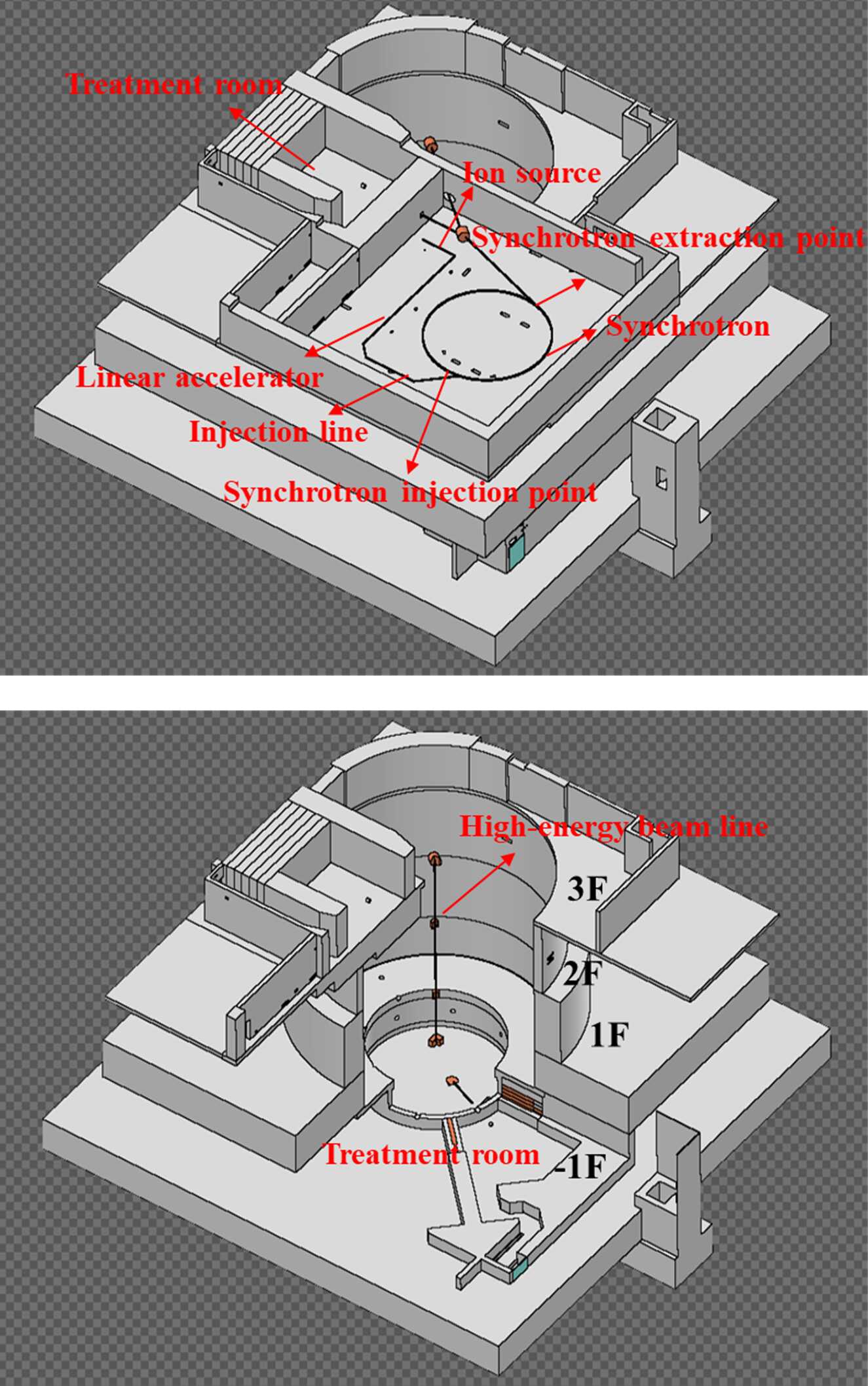
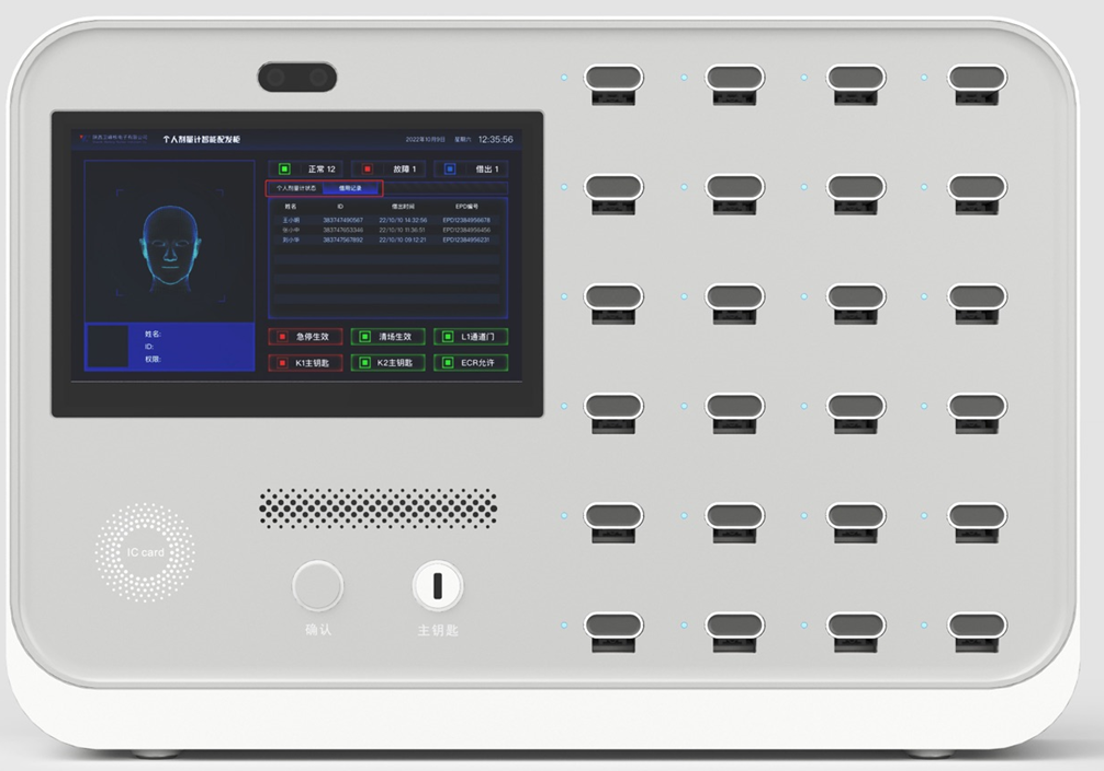
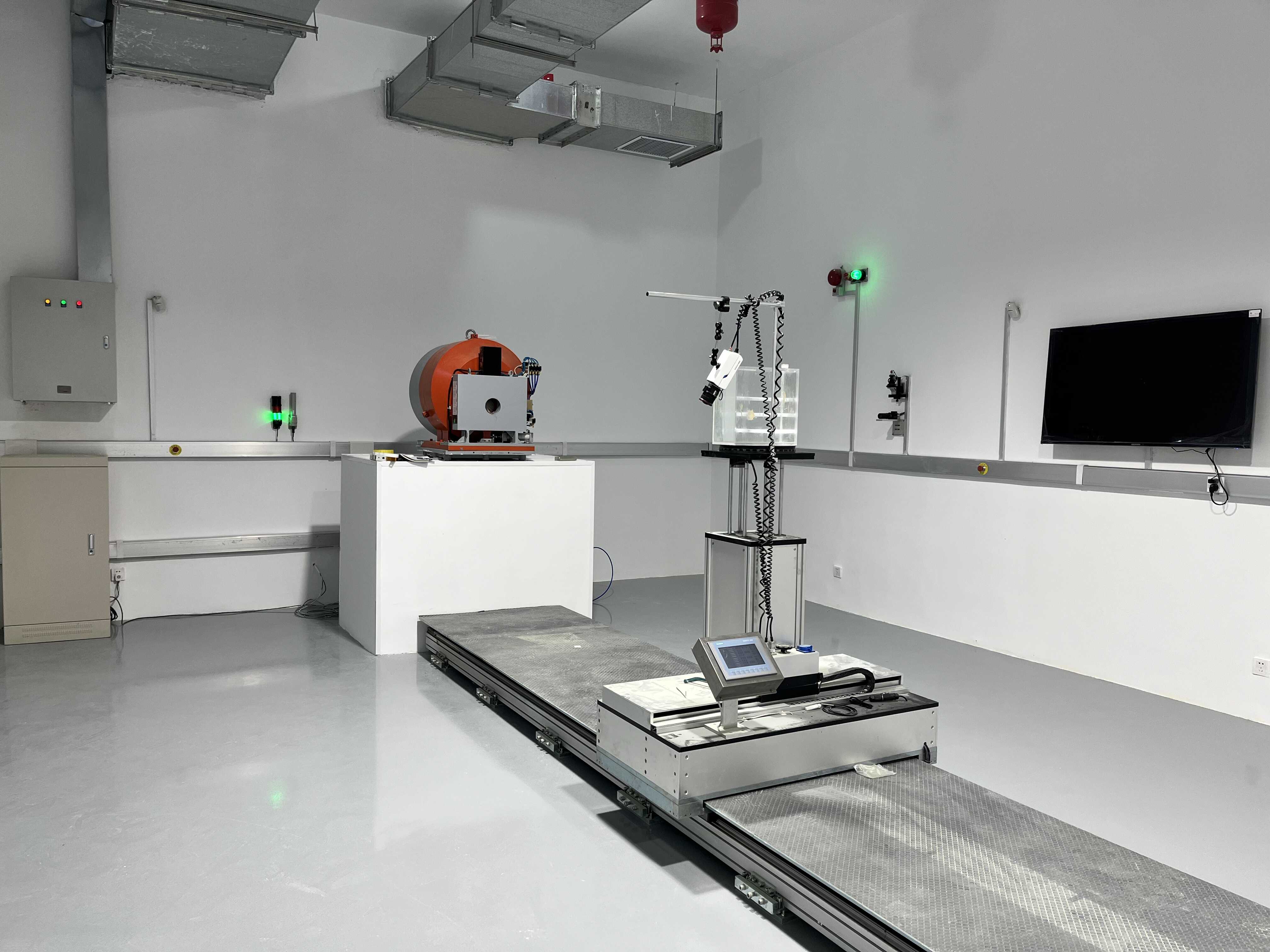
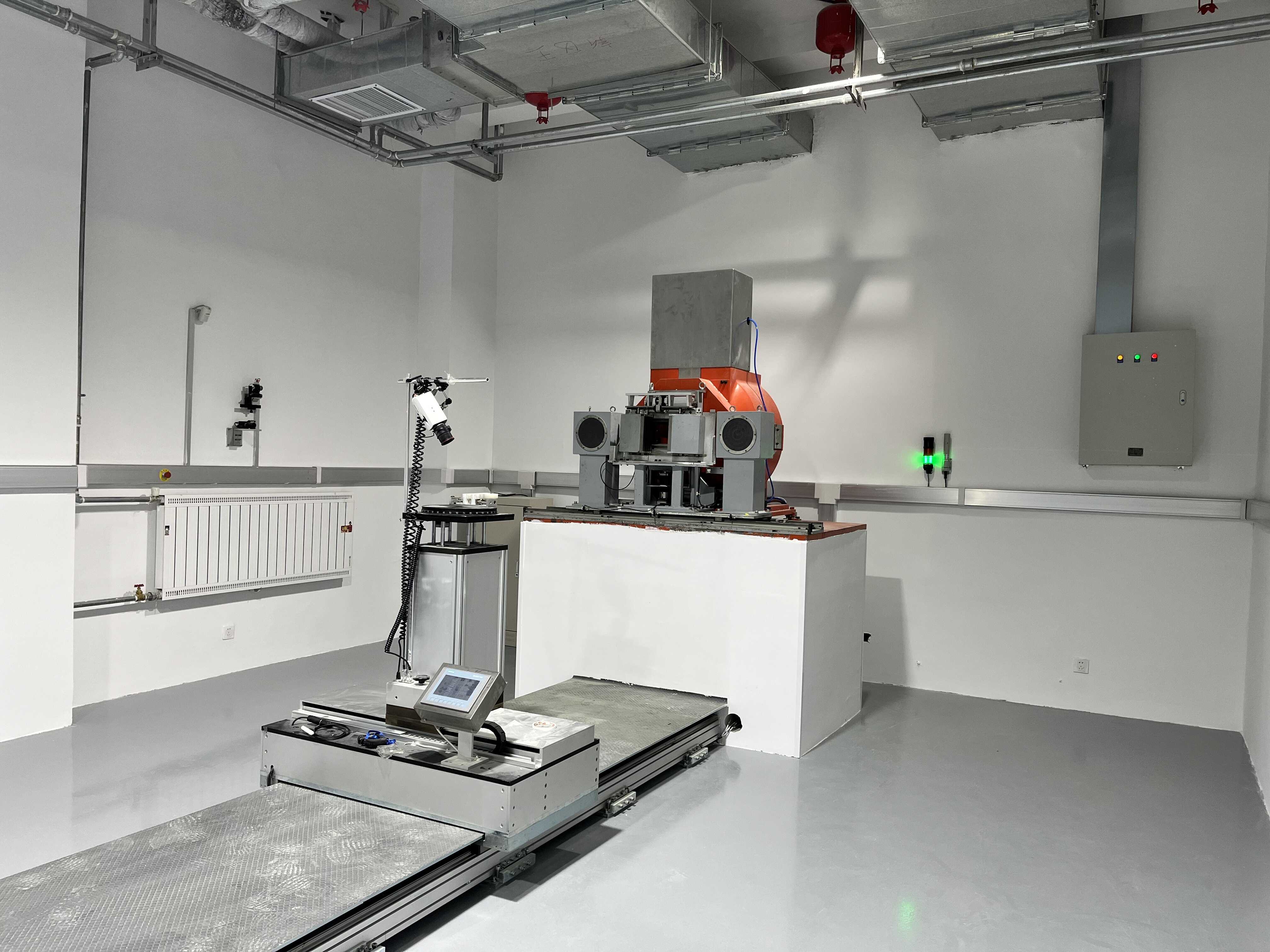
In recent years, the group has achieved a series of important results in Monte Carlo simulation technology development, radiation protection technology research and development for particle accelerators, and system engineering construction. To meet the radiation protection simulation needs of large-scale particle accelerators, multi-source Monte Carlo simulation and variance reduction techniques have been developed. The group has successfully developed wide-energy-spectrum neutron detectors and a personnel management system with the function of distributing electronic dosimeters. It has also completed the design, development, and construction of radiation protection systems for multiple major facilities, including the High-Intensity heavy-ion Accelerator Facility (HIAF), the Second generation heavy Ion Medical Machine (SIMM), the 300MeV proton and heavy-ion accelerator for SESRI, and the Proton Radiation Effects Facility (PREF). Additionally, the group is establishing a comprehensive ionizing radiation metrology laboratory equipped with standard devices for protective-level gamma, therapeutic-level gamma, neutron, and medium-energy X-ray, to carry out the verification, calibration, and related research of ionizing radiation monitoring equipment. Currently, the gamma metrology laboratory has been completed and has established the highest metrology standard within the Chinese Academy of Sciences.
At this stage, the group primarily relies on major research platforms such as the High-Intensity heavy-ion Accelerator Facility (HIAF) and the Ionizing Radiation Metrology Laboratory to focus on research areas including the measurement of secondary neutron fields from medium- to high-energy heavy ions, ionizing radiation metrology studies, and the development of advanced radiation protection technologies.
Research Fields
Radiation field analysis, radiation shielding design, induced radioactivity research, radiation dose monitoring technology, ionizing radiation metrology research, personnel safety interlock technology, environmental effect analysis.
Achievements
1. Bo Yang, Wuyuan Li, Youwu Su, et al. Simulation study on induced radioactivity in HIAF ’s cooling water and its disposal and safety implications for personnel[J]. Applied Radiation and Isotopes, 2026, 227: 112268.
2. Changli Luo, Wuyuan Li, Yang Li, et al. Study on induced radioactivity and individual dose evaluation in Gantry room for Varian ProBeam Proton Therapy System[J]. Applied Radiation and Isotopes, 2024, 208.
3. Changli Luo, Wuyuan Li, Bo Yang, et al. Study on occupational exposure of medical staff caused by induced radioactivity in the treatment room of medical heavy-ion facility[J]. Nuclear Technology & Radiation Protection, 2023, 38(1).
4. Bo Yang, Youwu Su, Yao Yang, et al. Radiation shielding design for the target area in the pre-separator of HFRS at HIAF[J]. Nuclear Instruments and Methods in Physics Research Section B: Beam Interactions with Materials and Atoms, 2022, 531: 24-33.
5. Changli Luo, Wuyuan Li, Bo Yang, et al. Induced radiation studies and personnel dose assessment in a carbon ion therapy facility[J]. Applied Radiation and Isotopes, 2022, 188.
6. Shakhboz Khasanov, Bo Yang, Youwu Su, et al. Induced radioactivity at particle accelerators: a short review. Radiation Technology and Methods, 2021(004): 005.
7. Weiwei Yan, Youwu Su, Bo Yang, et al. Design and Implement of HIRFL Radiation Safety Interlock System (in Chinese). Nuclear Physics Review, 2021, 38(3): 293-300.
8. Bo Yang, Youwu Su, Weiwei Yan, et al. Shielding Data for 400 MeV/u 12C Ions on Iron and Water Targets (in Chinese). Nuclear Physics Review, 2021, 38(1): 52-60.
9. Bo Yang, Youwu Su, Weiwei Yan, et al. Overview of radiation shielding design for medical proton and heavy ion accelerator (in Chinese). Radiation Protection, 2021, 41(S1): 126-132.
10. Yao Yang, Wuyuan Li, Youwu Su, et al. Neutron penetration in labyrinths under different beam losses. NUCL SCI TECH, 2019, 30(8): 1-7.
11. Yao Yang, Chengguo Pang, Wuyuan Li, et al. Study of neutron radiation field at the first radioactive ion beam line in Lanzhou. Radiation Protection Dosimetry, 2019, 183(3): 312-318.
12. Yao Yang, Youwu Su, Wuyuan Li, et al. Radiation protection considerations in radioactive ion beam facilities. Nuclear Inst. and Methods in Physics Research B, 2019, 455: 96-107.
13. Yao Yang, Youwu Su, Wuyuan Li, et al. Evaluation of radiation environment in the target area of fragment separator HFRS at HIAF. Nuclear Science and Techniques, 2018, 29(10): 1-7.
14. Chong Xu, Wuyuan Li, Junkui Xu, et al. Induced Radioactivity at High-energy Irradiation Terminal of HIAF (in Chinese). Nuclear Physics Review, 2018, 35(2): 165-171.
15. Wuyuan Li, Youwu Su, Junkui Xu, et al. Radiation Shielding Design for Treatment Room of HIMM (in Chinese). Atomic Energy Science and Technology, 2018, 52(6): 1118-1123.
16. Wuyuan Li, Junkui Xu, Yao Yang, et al. Shielding Design for BRing and High-energy Experimental Terminal in HIAF (in Chinese). Nuclear Physics Review, 2018, 35(3): 302-307.
17. Junkui Xu, Youwu Su, Wuyuan Li, et al. Study of neutron dose equivalent at the HIRFL deep tumor therapy terminal. Chinese Physics C, 2017, 41(6): 068201.
18. Chong Xu, Wuyuan LI, Junkui Xu, et al. The experimental study of residual radioactivity induced in electrostatic deflector. Nuclear Technology and Radiation Protection, 2017, 32(3): 211-216.
19. Xin Fu, Zongqiang Li, Junkui Xu, et al. Research and Development of a Neutron Multi-sphere Spectrometer (in Chinese). Nuclear Physics Review, 2016, 33(1): 466-470.
20. Wei Zuo, Youwu Su, Chengguo Pang, et al. Simulation of the Diamond Detector for the C-ADS Injector II Beam Loss Detection (in Chinese). Nuclear Physics Review, 2016, 33(1): 72-76.
21. Junkui Xu, Youwu Su, Wuyuan Li, et al. Evaluation of neutron radiation field in carbon ion therapy. Chinese Physics C, 2016, 40(1): 018201.
22. Jiao Yuan, Youwu Su, Wuyuan Li, et al. MC Calculation of Neutron Response for an Extended Range Multisphere Neutron Spectrometer (in Chinese). Nuclear Physics Review, 2015, 32(2): 224-229.
23. Chengguo Pang, Youwu Su, Wenjun Wang, et al. Monte Carlo simulation of carbon ion radiotherapy for the human eye. Chinese Physics C,2015, 39(1): 018201.
24. Chengguo Pang, Youwu SU, Junkui Xu, et al. Study on Radiation Field Caused by Proton Beam Loss in High Intensity Heavy-ion Accelerator (in Chinese). Atomic Energy Science and Technology, 2015, 49 (zengkan2): 573-577.
25. Chengguo Pang, Youwu Su, Junkui Xu, et al. Study on Microdosimetric Characteristics of 120 to 430 MeV/u Carbon Ion. 原子核物理评论, 2015, 32(4): 479-483.
Photos
Contact
Contact: LI Wuyuan
Tel: 0931-4969571
Email: liwuyuan@impcas.ac.cn

Copyright © Institute of Modern Physics, Chinese Academy of SciencesAddress:509 Nanchang Rd., Lanzhou 730000, ChinaEmail: office@impcas.ac.cn
陇ICP备2023003351号-1  甘公网安备 62010202000713号


