

IMP Hosts Frontier Nuclear Physics Symposium Related to HIAF
From April 14 to 17, The Frontier Nuclear Physics Symposium Related to High Intensity heavy-ion Accelerator Facility (HIAF) was successfully held at the Huizhou Heqiao Campus of the Institute of Modern Physics (IMP), Chinese Academy of Sciences.
The symposium brought together more than 100 experts and scholars in nuclear physics from Germany, the United Kingdom, France, Russia, Romania, Japan, the Republic of Korea, as well as from many universities and research institutes across China.
The participants held in-depth discussions on the frontier development of heavy-ion accelerators and the scientific goals of HIAF. They extensively exchanged the latest progress and achievements in both theoretical and experimental studies of nuclear physics and nuclear astrophysics.
Taking account of the advantages of HIAF in delivering high-energy, high-intensity ion beams, the participants focused in particular on the research programs to be carried out at HIAF and reached the following consensus. By using the high-energy heavy-ion beams available at HIAF, neutron-rich bare ions in the heavy-mass region can be effectively produced through projectile fragmentation and fission reactions, with reliable experimental identification. The reaction products are strongly forward-focused, which is advantageous for efficient collection and separation. In addition, the high energy of the primary beams makes it possible to use thick targets, thereby increasing the yield of the nuclei of interest through multi-step reaction processes.
Based on these considerations, the participants recommended to carry out studies of neutron-rich nuclei around N = 126, including measurements of their masses, lifetimes, in-beam spectroscopy, and decay spectroscopy.
In addition, the participants suggested accelerating the design and construction of a high-resolution spectrometer for the High-Energy Radioactive Ion Beam Line (HIRIBL).
The symposium provided a valuable platform for further refining the future scientific goals of HIAF, optimizing the layout of its experimental terminals, and deepening international collaboration.

Figure 1. Group photo of the participants (Image from IMP)
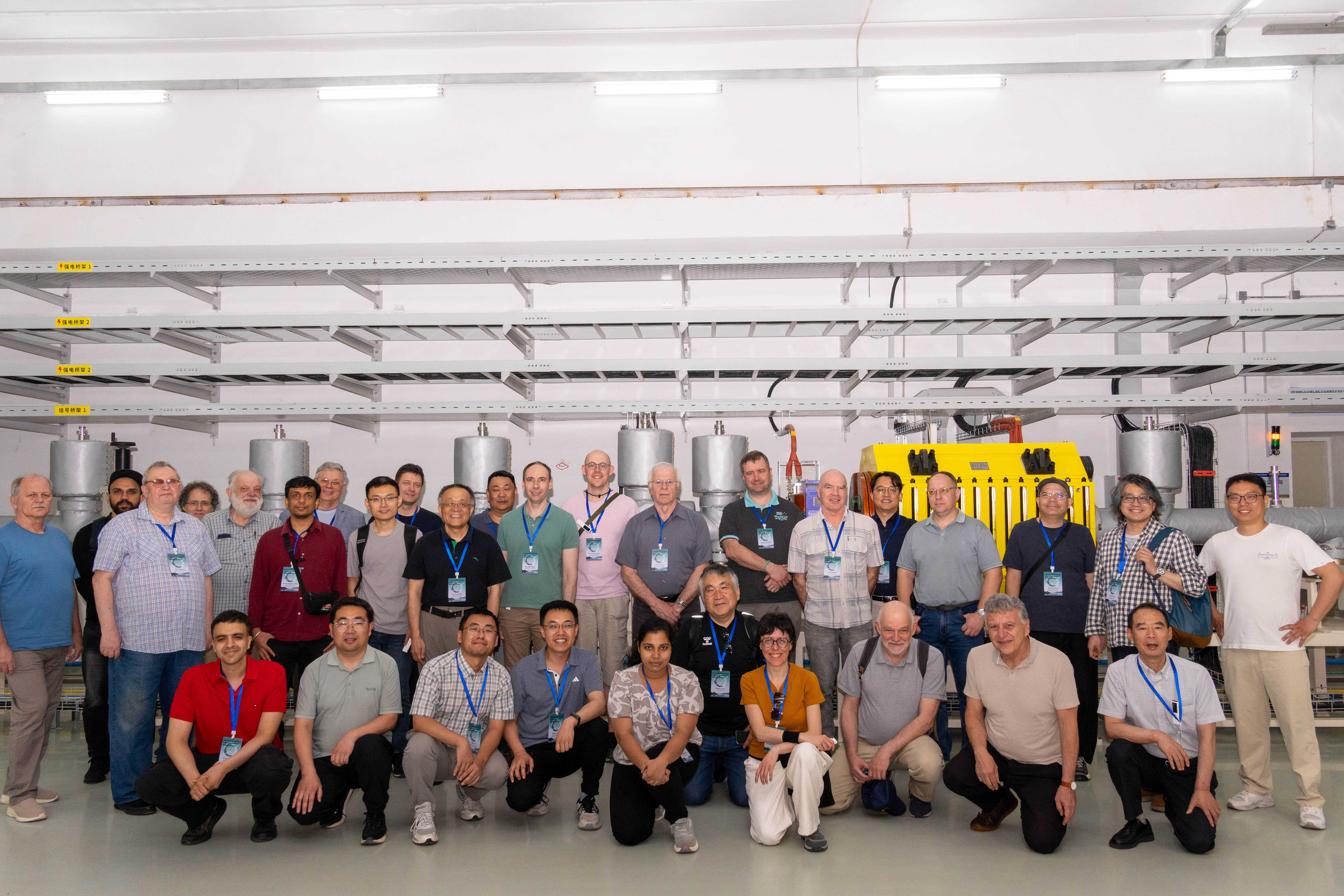
Figure 2. Experts visiting HIAF (Image from IMP)

Copyright © Institute of Modern Physics, Chinese Academy of SciencesAddress:509 Nanchang Rd., Lanzhou 730000, ChinaEmail: office@impcas.ac.cn
陇ICP备2023003351号-1  甘公网安备 62010202000713号


