

First Commissioning Experiment Completed at HIAF-SRing
 Figure 1. Part of the 277-meter-long HIAF-SRing (Image from IMP)
Chinese researchers have successfully completed the first commissioning experiment, conducted at the Spectrometer Ring (SRing) of the High Intensity heavy-ion Accelerator Facility (HIAF) using intense bismuth-209 primary beams.
The researchers from the Institute of Modern Physics (IMP) of the Chinese Academy of Sciences (CAS) precisely measured the mass of the short-lived nuclide, gold-202. The experiment improved the mass accuracy for this nuclide to twice the precision of the previous world record. Consequently, the SRing mass spectrometer passed the acceptance test for the experimental terminal construction on April 8.
Nuclear mass serves as a fundamental physical parameter, indispensable for tackling key scientific frontiers—including the essence of nuclear forces, the evolution of nuclear structure, and the cosmic origin of heavy elements. It also finds extensive applications in nuclear technology.
As one of the six experimental terminals of HIAF and an integral part of the accelerator system, SRing serves as the core equipment for conducting cutting-edge physics experiments, capable of precisely measuring the masses of nuclei with lifetimes as short as tens of microseconds. One of the construction goals of the HIAF-SRing project is to build a multifunctional spectrometer with extremely high mass measurement precision.
Utilizing Schottky probes at SRing, researchers performed the mass measurement experiment, which allows for the non-destructive analysis of stored ions. The mass accuracy of multiple nuclei measured in the experiment was significantly improved.
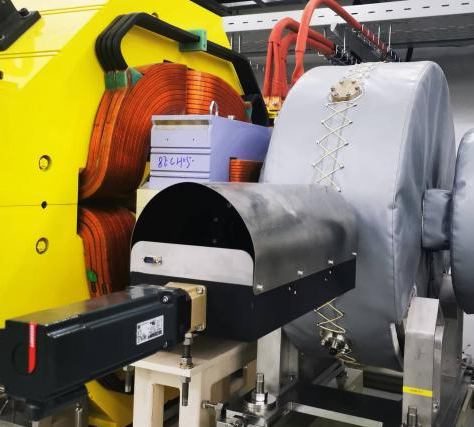
Figure 2. The Schottky detector (Image from IMP)
Notably, the mass of the short-lived nucleus gold-202, which lies far from the stability line and exhibits a decay lifetime of only 28 seconds, was determined with 11 keV accuracy, twice the precision of the previous measurement from the experimental storage ring (ESR) at GSI Helmholtz Center for Heavy Ion Research in Germany.
This achievement demonstrates that the key performance indicators of SRing have fulfilled the design specifications, laying the groundwork for the research facility to officially commence scientific experimental operations. It also corroborates HIAF's ability to supply high-intensity, high-quality beams, and validates the facility's improved operational stability and a significantly refined electromagnetic environment, which are distinct advantages over the preceding-generation heavy ion research facility located in Lanzhou, China.
Located in Huizhou, Guangdong Province, HIAF is designed and constructed by IMP. It is one of China's major scientific and technological infrastructure projects and one of the world's largest ion accelerators capable of accelerating all ions. After seven years of construction, HIAF completed its first oxygen beam commissioning in October 2025 and first bismuth beam commissioning in December 2025.
HIAF is designed to deliver the world's most intense pulsed heavy-ion beams, empowering scientists to probe the ultra-microscopic realm in cutting-edge basic science research, while also supporting advanced heavy-ion beam applications across diverse fields including healthcare, materials science, and biological breeding.

Copyright © Institute of Modern Physics, Chinese Academy of SciencesAddress:509 Nanchang Rd., Lanzhou 730000, ChinaEmail: office@impcas.ac.cn
陇ICP备2023003351号-1  甘公网安备 62010202000713号


